Your entire library, ready for the next idea
Bring your material together, find what you remember and share the right selection. The starting point for everything you create.




Start with the material you already have
Connect your folders and external sources to bring scattered files into view. Keep the originals where they are and find them from the same library.
See how to organise your files →Remember the scene, not the filename
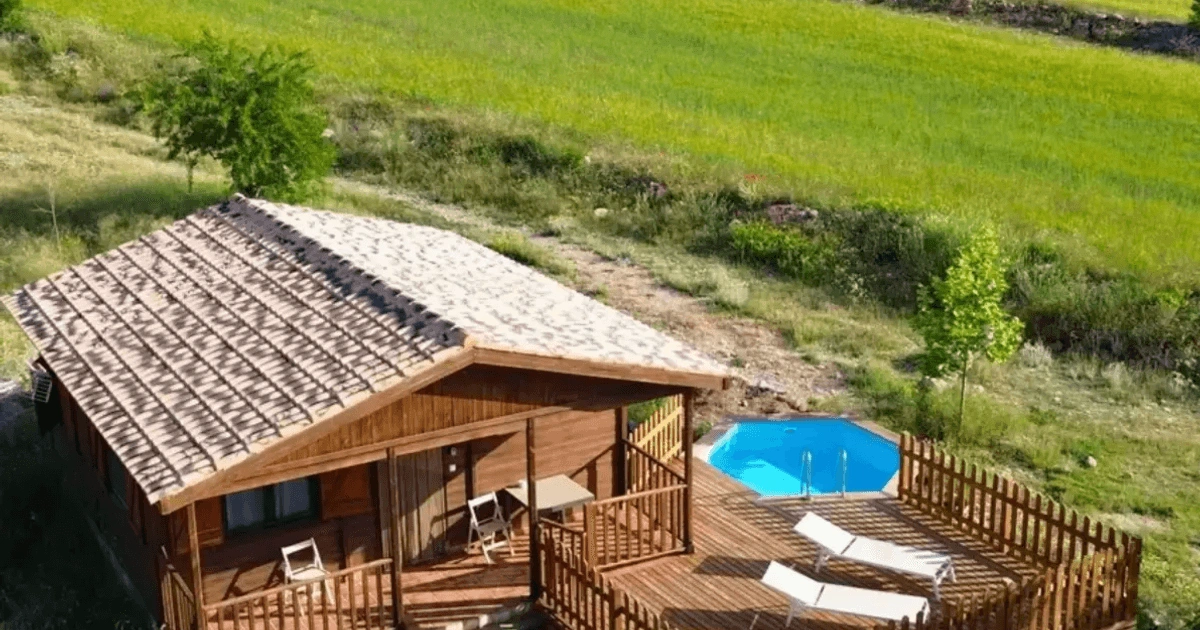
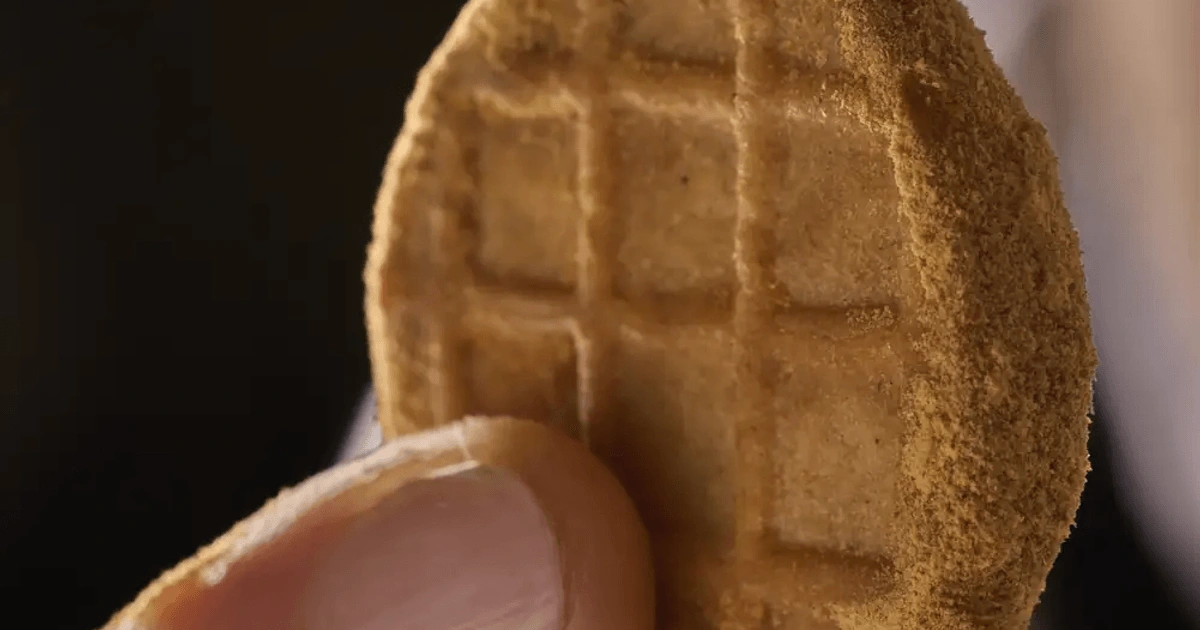
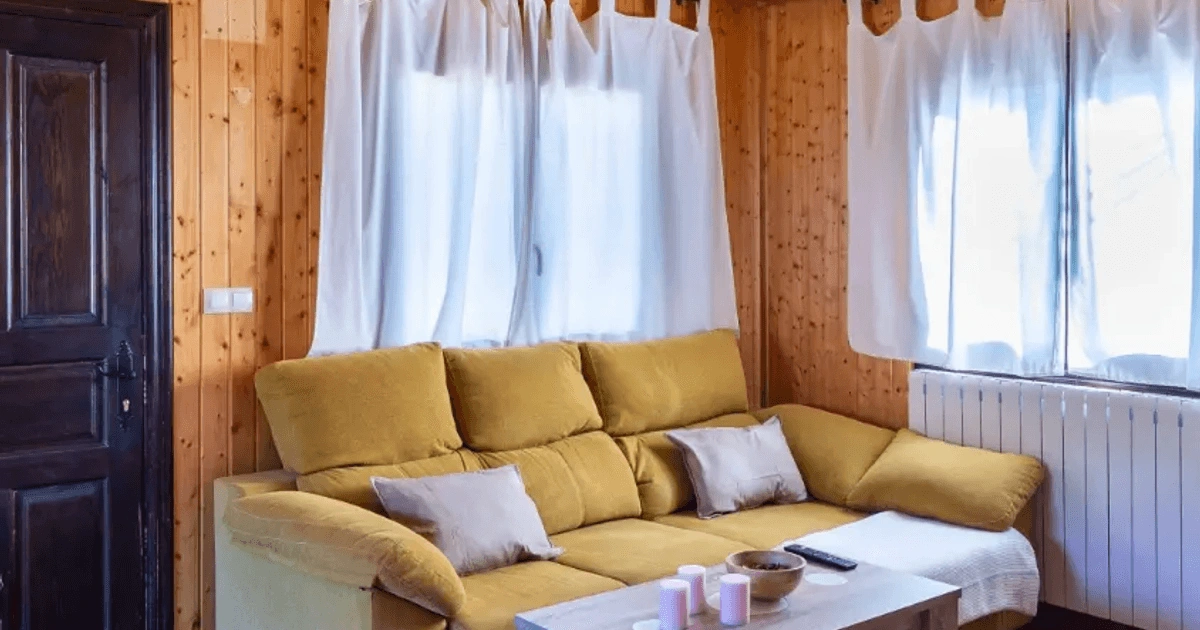
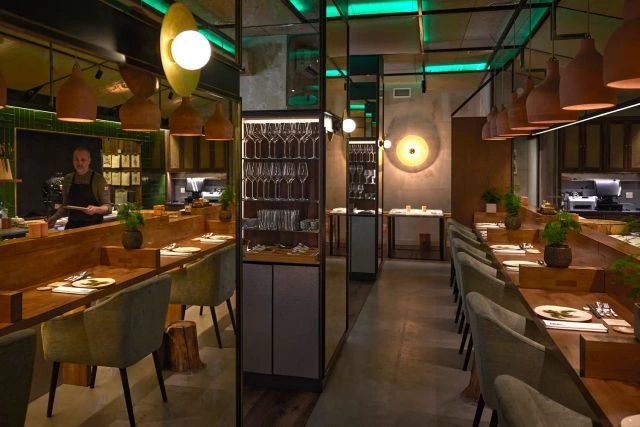
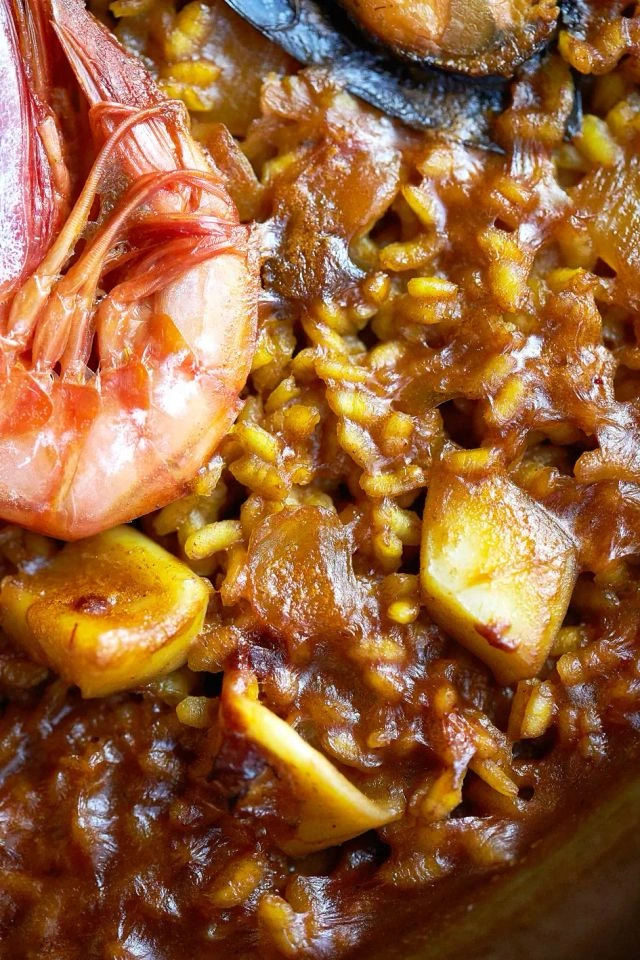
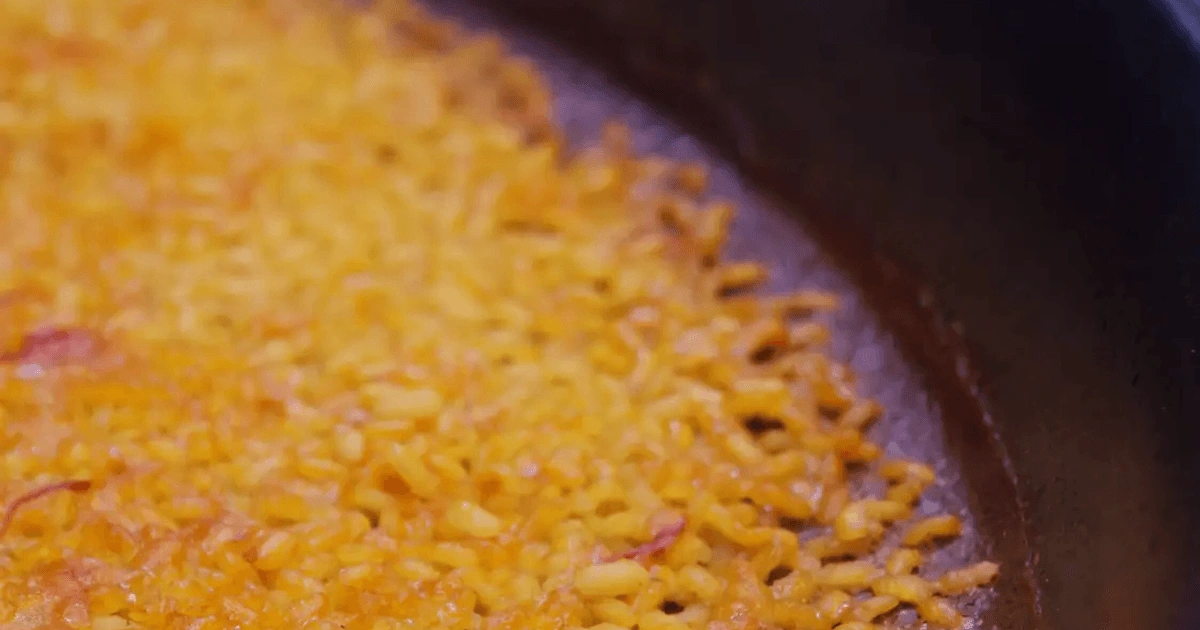
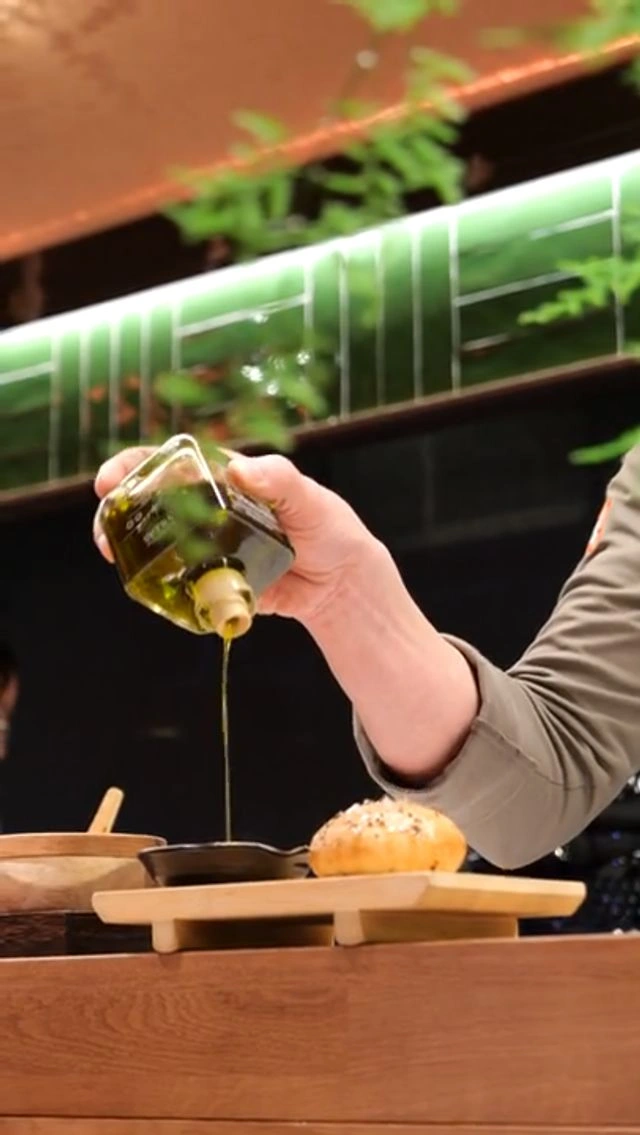
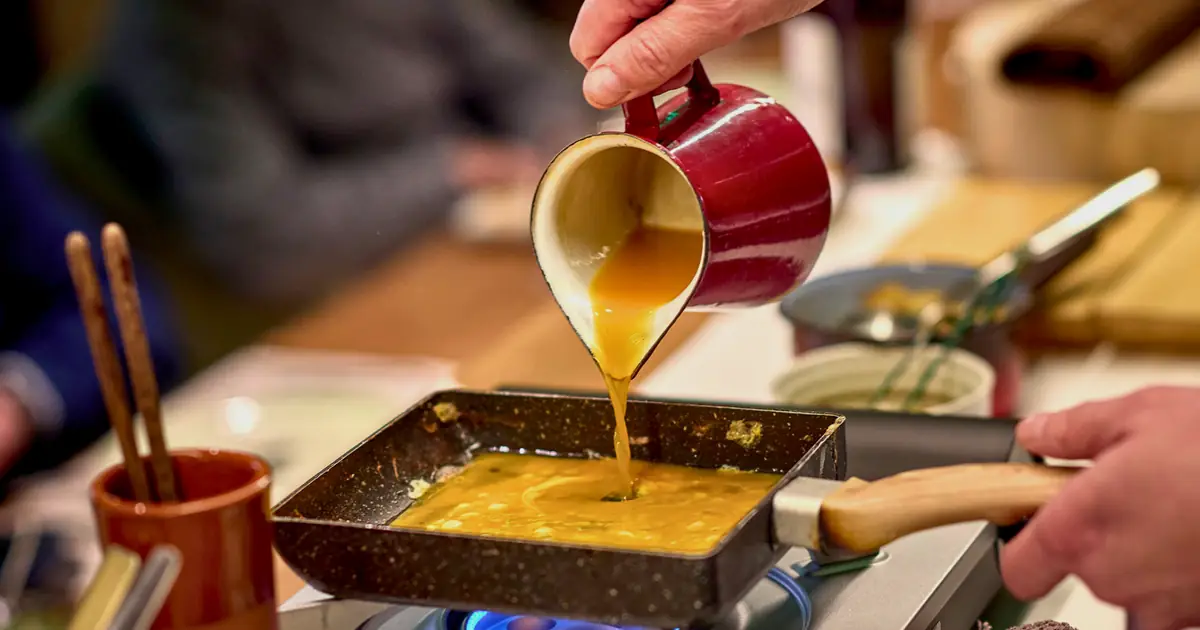
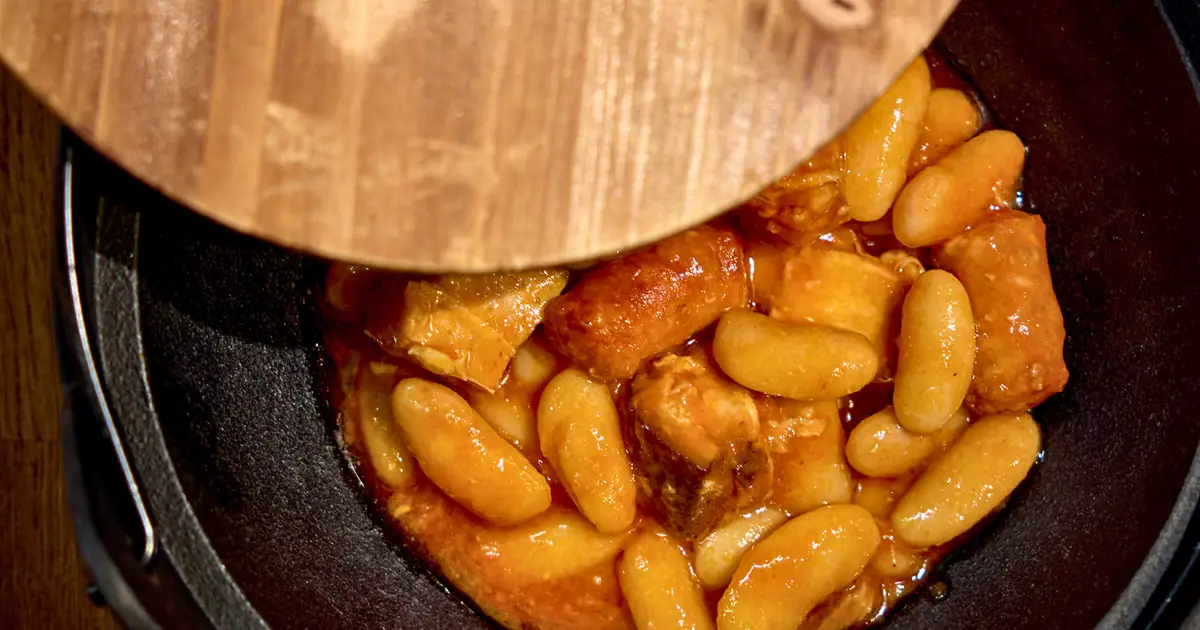
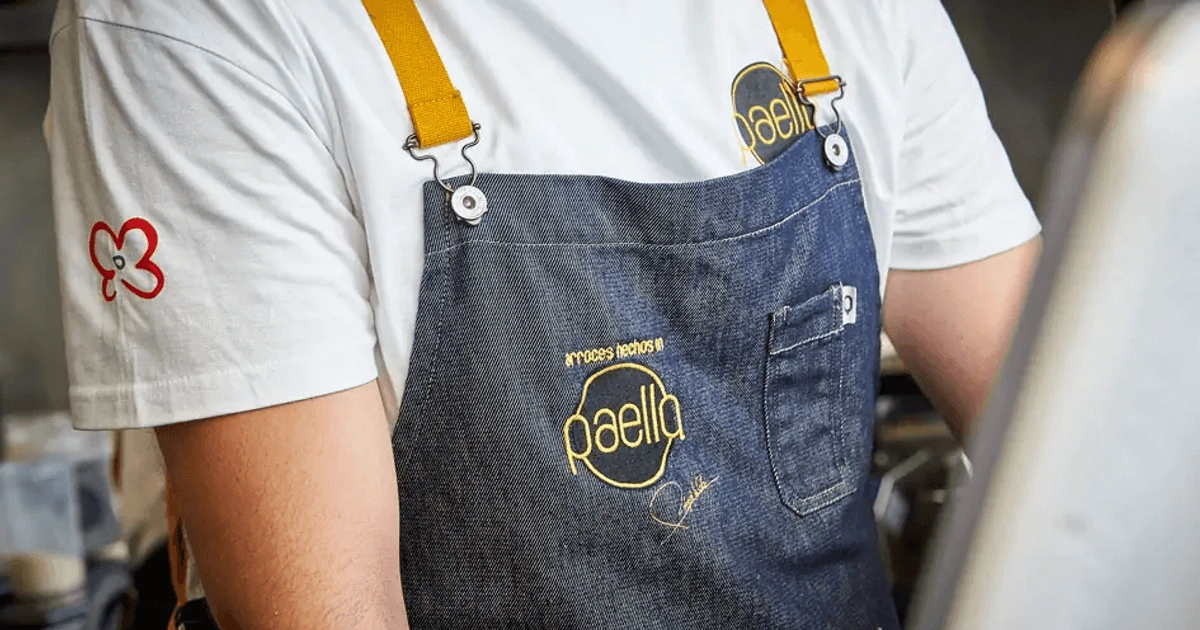
Describe what you need: the chef with the rice or a detail of the apron. Search by what appears in your photos and video frames to retrieve material for your project.
Explore natural search →From your library to the right people
Gather the pieces for a project and decide who can see them. Share a selection with your team or client, keeping control of access.
See sharing and permissions →
Find material for your next project
Create your account and try Media on your own library.